
Some Plumbing Basics for Back to School
It’s that time of year again when students of all ages are preparing to go back to school. It’s a busy and exciting time as families do all necessary preparations, and students get ready for a new year ahead. Whether you’re going back to school this fall, helping get students ready to go back or just taking advantage of some of the sales and promotions, it’s hard to not feel some of the energy of the season.
Today, we’re going to help everyone take part in some schooling this August by discussing a few plumbing basics and giving you an overview of how your plumbing system works.
Your Home’s Pipe System
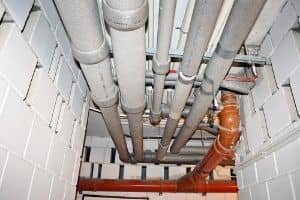 The pipe system in your home is designed to bring water in and out of your home. There are actually two-pipe systems in your home - one for clean water entering and one for dirty water leaving.
Clean water is brought into your home under pressure so that there’s enough force to carry it upstairs, through bends and around walls. Dirty water leaving your home relies primarily on gravity to carry it down and out of your home.
The pipes in your home are made from a variety of substances. If you have a home built before 1930, it likely has some lead pipes, and if your home was built between the 1930s and 1980s, it likely has some galvanized steel pipes. Newer homes primarily use PVC, copper or PEX piping.
The Complexity of Kitchen Plumbing
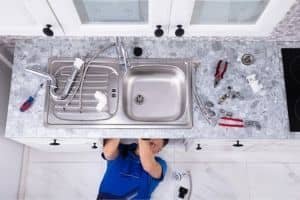 For most homes, the kitchen has the most complex plumbing systems. While it uses the same systems as the rest of the house, there are more appliances in this area of the home, making it slightly more complicated to install and maintain.
Your kitchen’s refrigerator, sink, dishwasher, ice maker and garbage disposal all are part of your plumbing system. This means additional lines and hookups, especially for the kitchen sink.
The kitchen sink has the same basic components as other sinks in your house - a faucet and drain - yet it can also have hookups for a garbage disposal, dishwasher and any other added features your home might have. As a result, for many, the kitchen is the source of questions or issues when it comes to plumbing maintenance or installation.
The Importance of Drainage
 As important as having access to clean water is, having an effective way to remove dirty water from your home is equally important. As a result, your home’s drain system plays an integral role in your everyday plumbing.
Your drainage pipes rely first on gravity to carry dirty water out of your home, but vents in your roof are also important to help carry dirty water down, out of your home and into a sewer system.
Additionally, your sinks have traps - the s-shaped part of the pipe under the drain - to help avoid clogs, to catch debris and to keep sewer gases from entering your home. For your system to work plumbing and avoid drain cleaning services, it’s important that all components are working properly.
While it seems complicated, your home’s plumbing is really centered upon some pretty simple components working together. Hopefully, this overview was helpful. If you have any questions about your home’s plumbing, call Apply Valley Plumbing Company today at (612) 387-1207.

 The 4th of July is known mainly for its huge parties and sparkling fireworks. However, as fun as those parties and fireworks are, at the end of the day there is usually an increase in the number of dishes and silverware being piled into your sink.
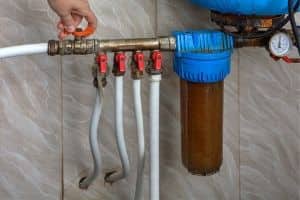 Do you know where your shut-off valve is without looking? Most people don’t. However, if you are unable to get the toilet unclogged fast enough, or if you find your kitchen sink flooding, knowing how to locate and use your water shut-off valve is essential to not let your home taking on much water while you (or a professional plumber) diagnose the issue.
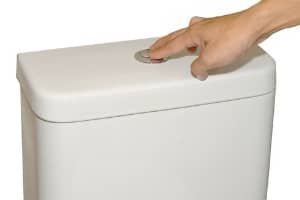 A low-flushing toilet is one that uses less water to wash away waste than older toilets. The primary way that your
  That drip in your shower may not seem like a big deal to you. After all, it’s just one little drop at a time.
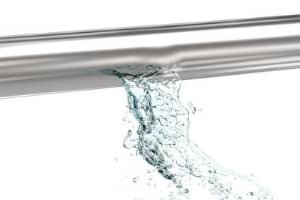 Like a leaky showerhead,
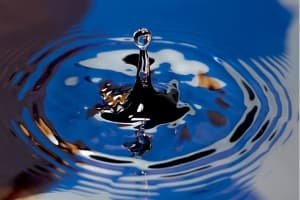 It’s often said that trees are the lungs of the earth. Trees help clear out the excess carbon dioxide from the air and replace it with oxygen which is essential for all kinds of life on our planet. They also provide us with shade which can be essential in certain sunny areas.
 Polluted water isn’t just a danger for us but also for the plant and tree life in the area. In a world without potable water, there would be no tree life, ergo no oxygen in the air, which would entail the end of most life on our planet.
 On May 16, let’s all go out and make a positive change in our communities. Whether that means helping your elderly neighbor plant a new tree or watering the withering plants around the neighborhood, any small action can make a big change. May is considered the month of Wildlife in general.
 For water supplies close to the surface, a shallow well jet pump can be a solid option. Designed for wells that are less than 25 feet underground, the setup is relatively simple and efficient.
 The same concept of using atmospheric pressure to create an energy efficient pump can still be utilized for deeper wells, however, the complexity of the setup is ramped up. The installation of a deep well jet pump is called a double-drop system.
 Jet pumps draw the water up from the ground. However, deep well submersible pumps do the option, pushing the liquid up from the well itself. The setup is quite different, with the entire unit being submerged with the well. The pump then forces the water up in an efficient manner.
 Part of the reason that tankless water heaters are becoming so popular is the fact that they are far more environmentally friendly than their more traditional counterparts.
 Traditional water heaters have a lifespan of 8-12 years, and typically the average is 10 years. Tankless water heaters can easily last for 20 years, meaning fewer replacements.
 Unfortunately, traditional water heaters require a tank to operate. This tank requires a significant amount of space in your closet, attic, garage, or basement. A tankless water heater is about the size of a large computer.
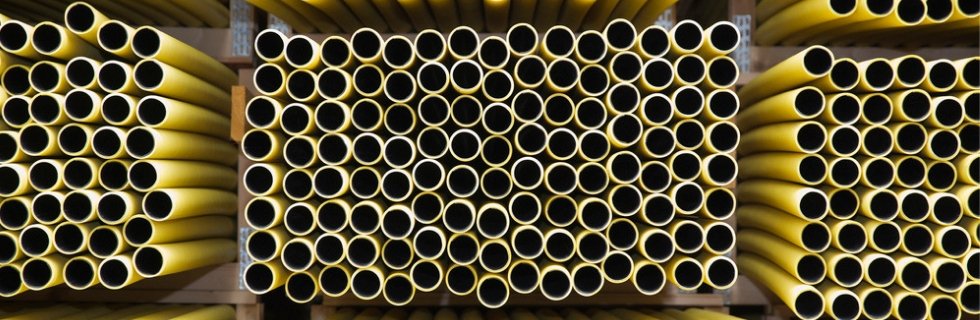

 If your home uses a septic tank for wastewater, you may assume that everything is sent into the septic tank system and floats around until the tank is full.
 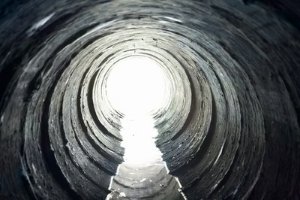 If your home does not use a septic tank, there is a pretty decent chance that it is connected to a municipal sewage system. A sewage system isn’t too much different than a septic tank but can have a few extra ‘steps’ or stages.
 While septic tanks and sewage systems are the most popular types of sewage and waste disposal, there are also composting toilets, cesspools, and options between electric and non-electric biotanks.
 Since opening our doors we’ve been dedicated to all our customers in Apple Valley. Although that’s our base of operations, our plumbing care extends beyond that area and now includes:
 Responding to a plumbing issue doesn't have to be a stressful situation when you work with our plumbing professionals. On every service call, you can expert personalized solutions and a helpful attitude from your first call.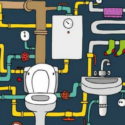

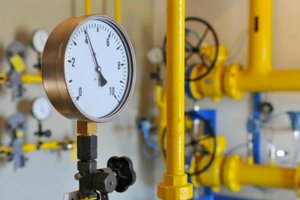 Maintaining a properly balanced water pressure in your home or business is also extremely important.
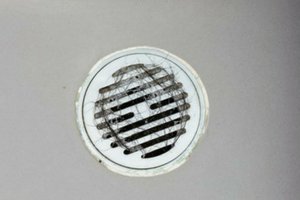 Keeping your drains free of clogs is another way to keep your plumbing system in peak condition.
 In the event that your plumbing system ever does need extensive repair like a major repiping job, it is important to consider what kinds of permits your local government requires you have for the project.